Project #10 - Stafford Castle
In the early Middle Ages, during the Anglo-Saxon period, folklore has the kingdom being ruled by Edward the Elder and his sister (Lady of the Mercians), a warrior-princess that ruled the Mercians in the 900s. building fortified towns (burhs) across the lands built out of logs, wooden planking and earth ramparts. waging military campaigns against the Vikings.
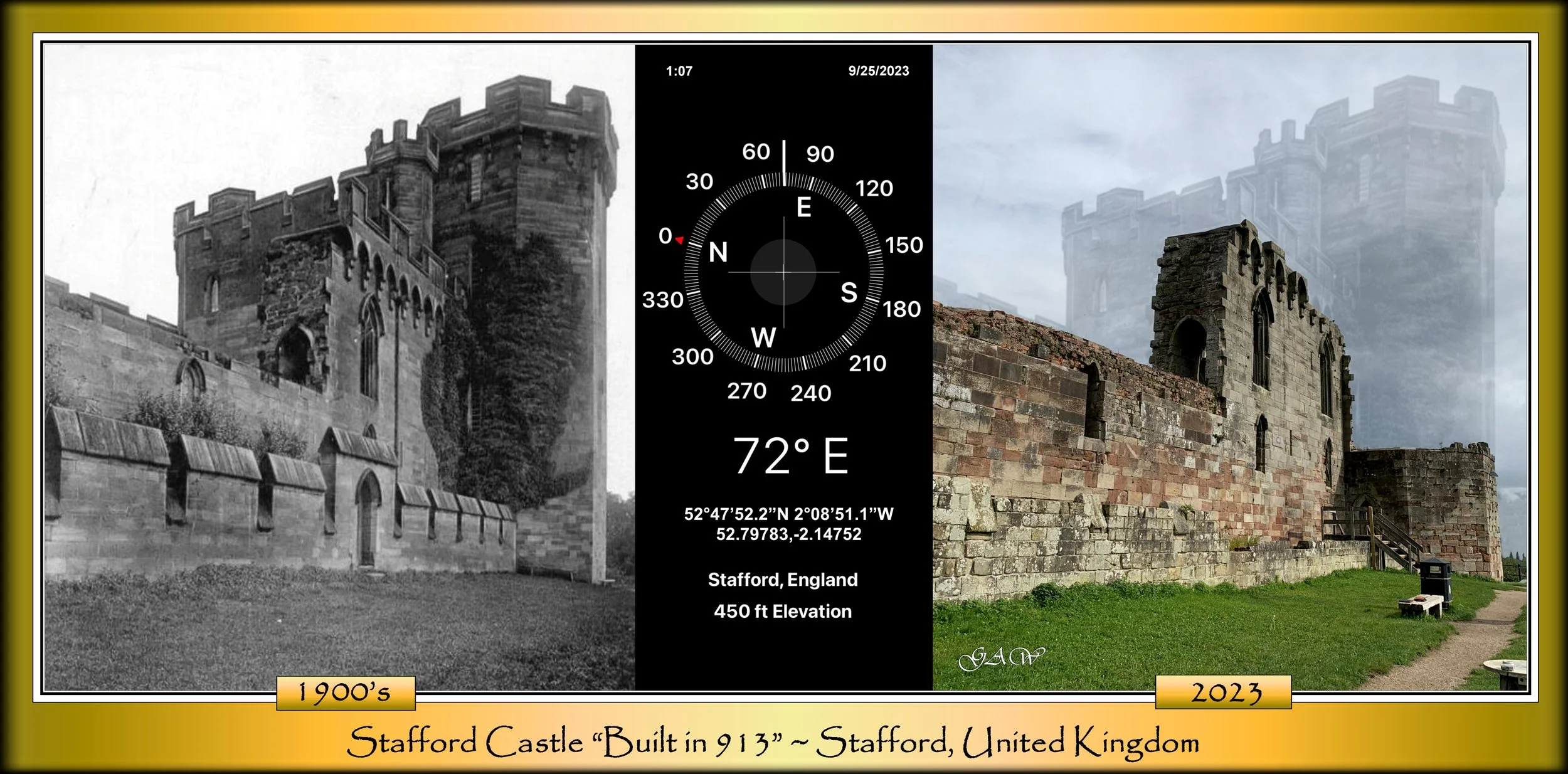
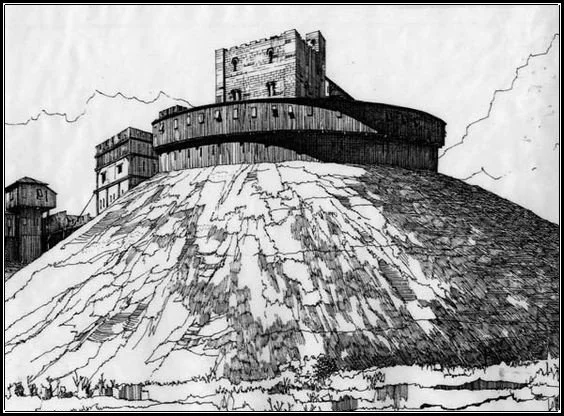
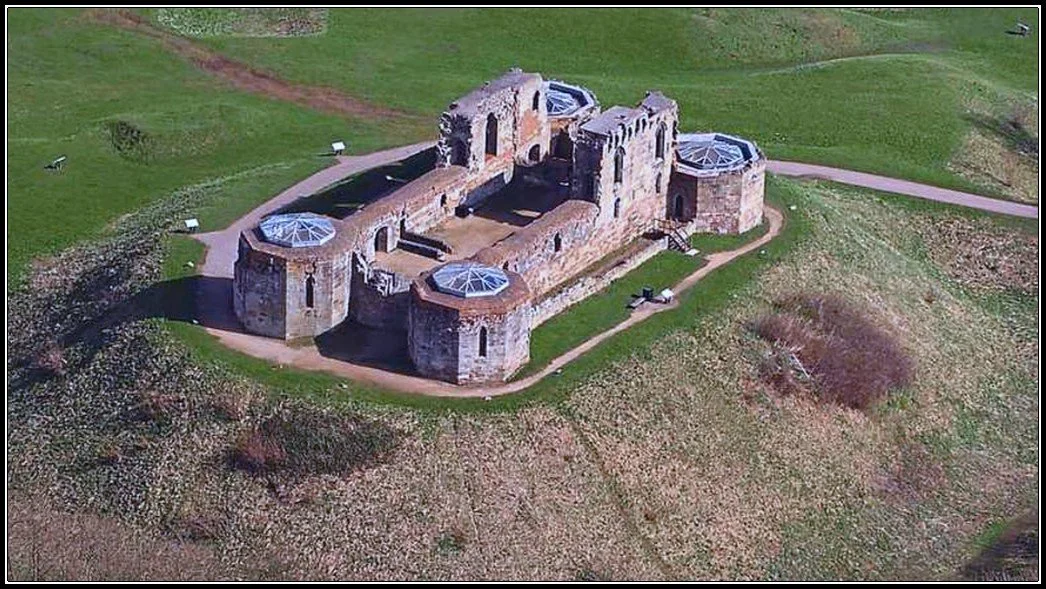
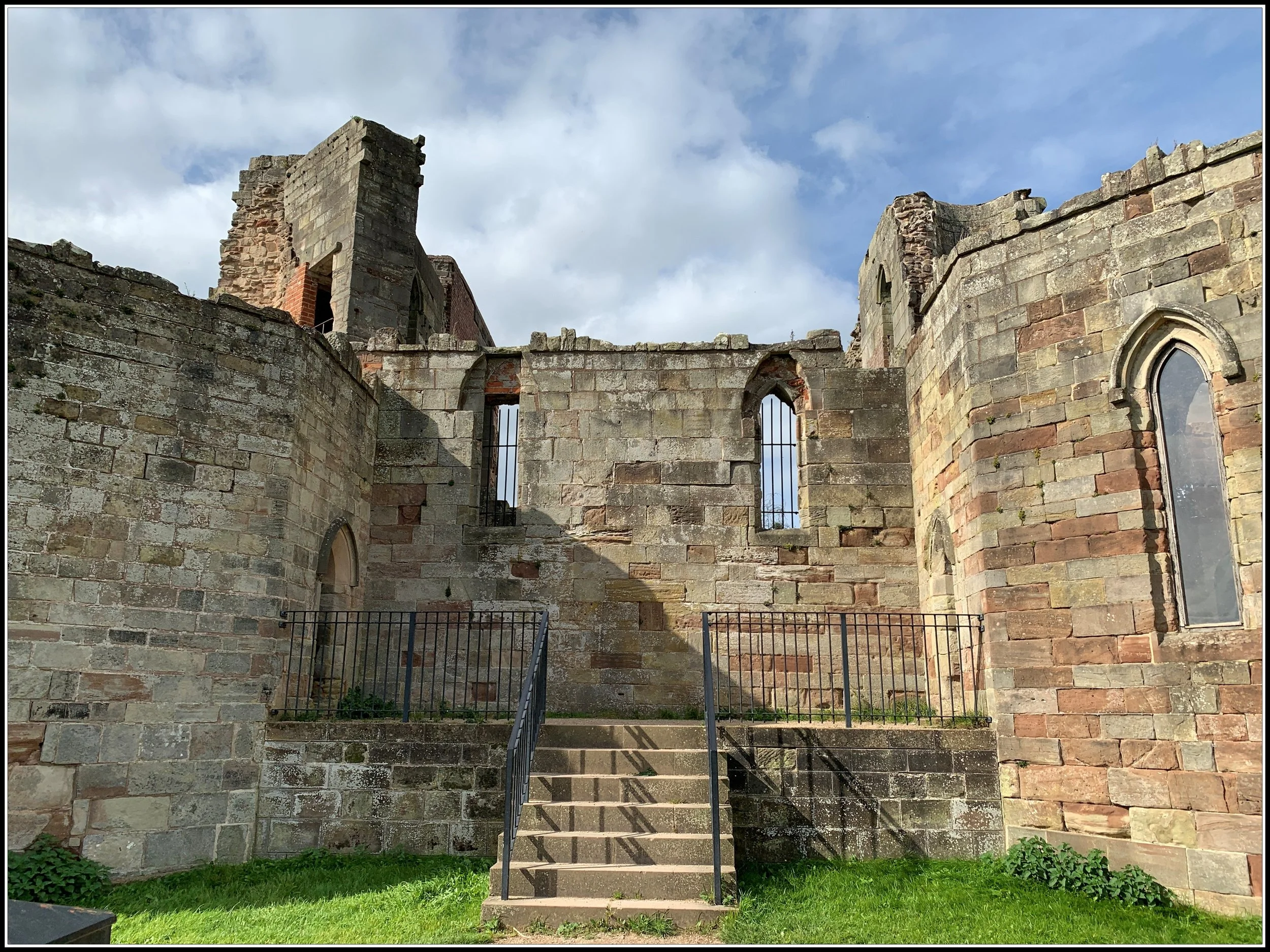
Over 900 years ago, this castle was first built using the local materials of the times. Later, in 1066, after the Norman Conquest, William the Conqueror, who subdued the rebellious population, granted lands in Staffordshire to Robert de Stafford. Robert’s son, Ralph de Stafford, 1st Earl of Stafford, later contracted workers to build a stone castle over the earlier structure. Some of the structure still stands today, having survived the Norman period, the Medieval period, and the English Civil War.
The castle reached its heyday under Humphrey Stafford, 1st Duke of Buckingham, in the early 1400s. These were turbulent times, especially after his death. The Wars of the Roses was a series of civil wars in England (1455–1487) fought over control of the throne between two rival branches of the royal family: the House of Lancaster (symbol: a red rose) and the House of York (symbol: a white rose). That is where the name “Wars of the Roses” comes from. The period was marked by several wars and changes of kings. The castle changed hands several times within the Stafford family line, passing from Henry Stafford to his son Edward Stafford.
Edward Stafford’s lineage made him a threat to Henry VIII, who had him executed in 1521. His downfall led to the forfeiture (attainder) of the Stafford estates to the Crown. Stafford Castle was later restored to the family but never regained the wealth or status of earlier years.
During the early phases of the Civil War, the castle was held by Lady Isabel Stafford, the widow of Edward Stafford, a staunch Roman Catholic and Royalist. At this time, the Parliamentarians had captured the town of Stafford in May 1643. Colonel William Brereton then rode to the castle and called upon Lady Stafford to surrender, which she refused.
Several sieges on the castle, Lady Stafford’s guards shot several men from their horses, which enraged the colonel and provoked a fierce retaliation. Almost all the outbuildings were burned to the ground. Lady Stafford was eventually persuaded to leave after hearing that a large Parliamentarian army was approaching with siege cannons. Many castles involved in these conflicts were then demolished to prevent its future military use.
Fun Nuggets:
By the 1790s, with the castle now in ruins and only a single wall remaining, folklore has it a workmen discovered the castle basement and possibly its remaining treasures. The foundations were ordered to be uncovered, and the entire mound was cleared. There are no known records of whether any treasure was ever found.
The castle was partly restored in the Gothic Revival style in 1813; however, the work was soon discontinued due to a lack of funding. Despite its ups and downs, it was still inhabited until the 20th century.
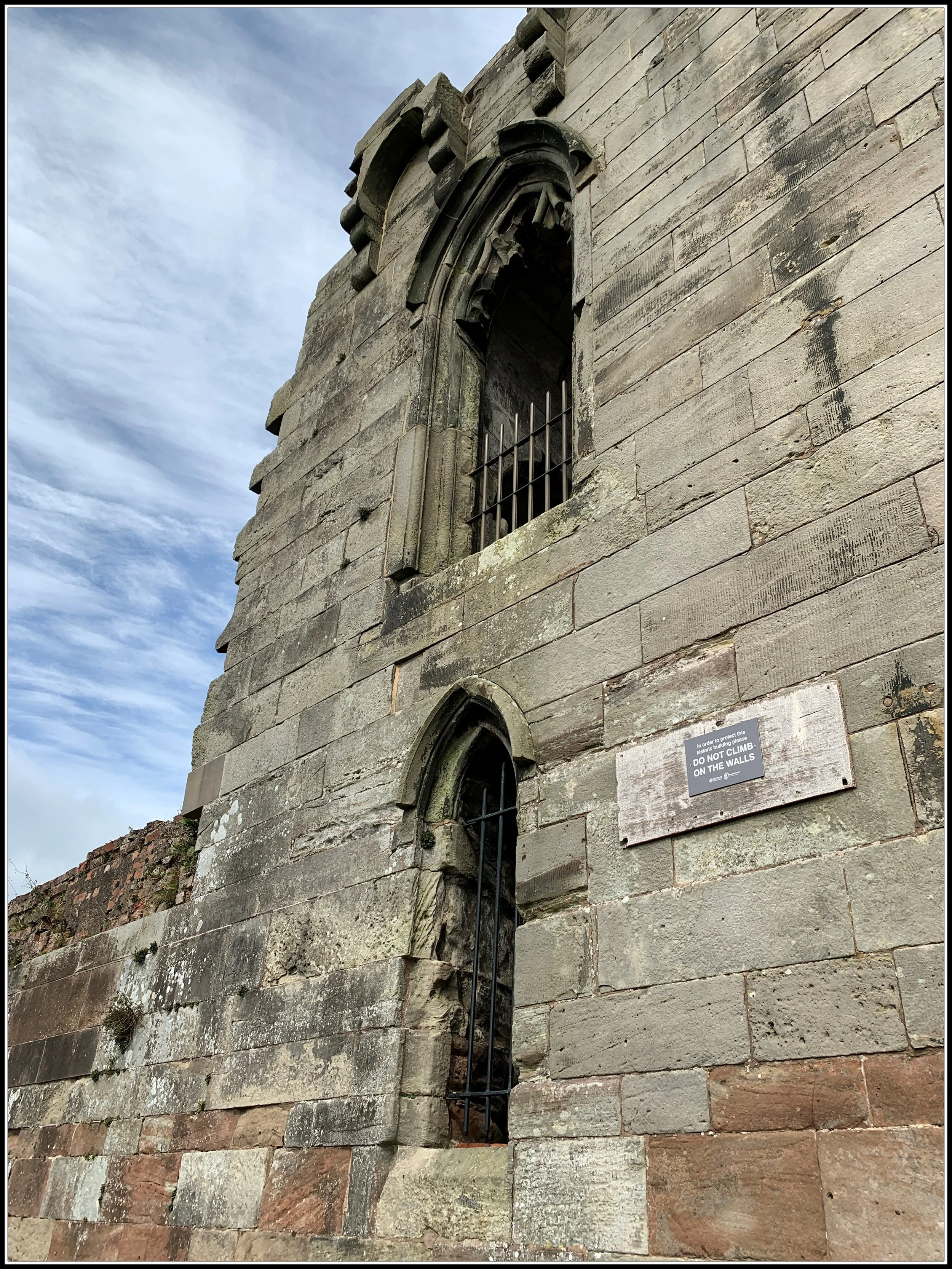
By 1949, large pieces of masonry had begun to fall from the tower, and it was declared unsafe to live in. The last caretakers, Mr. and Mrs. Stokes, vacated the building.
In 1978, excavations began, revealing the complex archaeology of the site and its significance to the community. In 1988, it was opened to the public with a new purpose as a heritage site.