Project #11 - Breckenridge
Prospectors discovered gold in the Blue River in 1859 during the Pike’s Peak Gold Rush, transforming this valley into a rough-and-tumble gold-mining town that is now a spectacular ski resort.
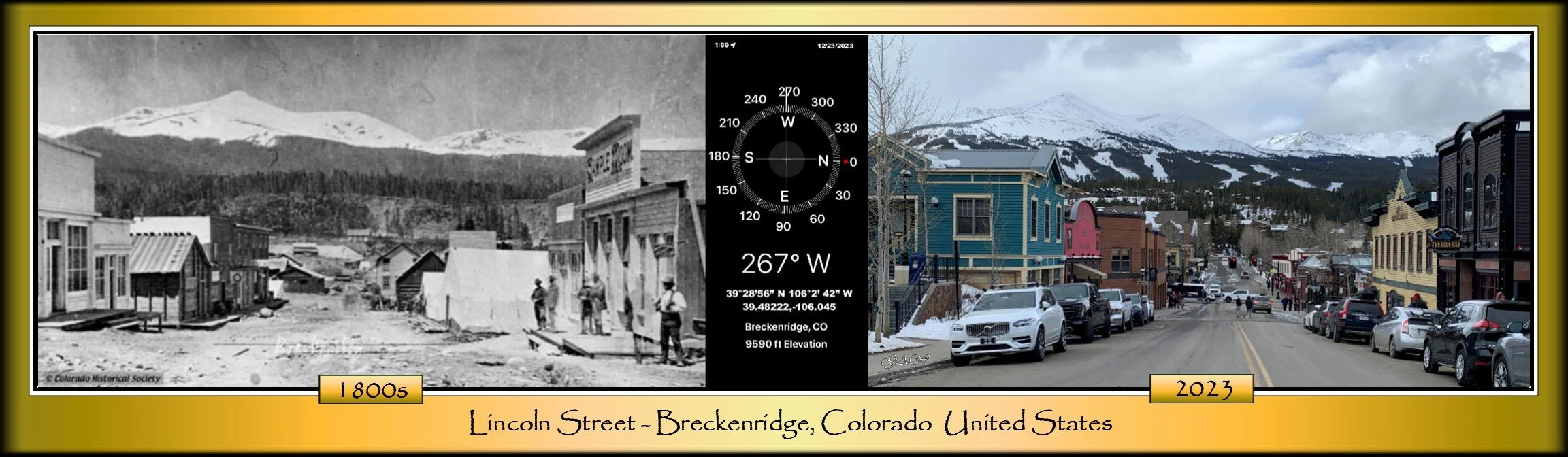
The early years of the town showed very little organization, with tents and crudely built log cabins scattered haphazardly near the miners’ working claims. Main Street was nothing more than a pathway through stumps and boulders. George Spencer, backed by several Denver capitalists, led a party that brought the first organized development by plotting streets and lots. This did not go without issues, since most of the miners had already established tents and cabins on those locations. With the newly formed layout, Main Street quickly became the center of commerce, with restaurants, livery stables, blacksmith shops, assay offices, and just about every type of business common to the period. Wealthier families used the higher ground, known as “Ridge Street,” in the early city plan to establish residences.
The town was initially named “Breckinridge” in 1859 after vice president/confederate general, John Cabell Breckinridge to secure a post office. The name didn’t last in 1861, and the name changed to “Breckenridge” with an “e” by the loyal union-based residents that didn’t want to be associated with the Civil War general. The post office was established in 1860 as the first US post office between the Continental Divide and Salt Lake City, its name also changed with the town’s new spelling.
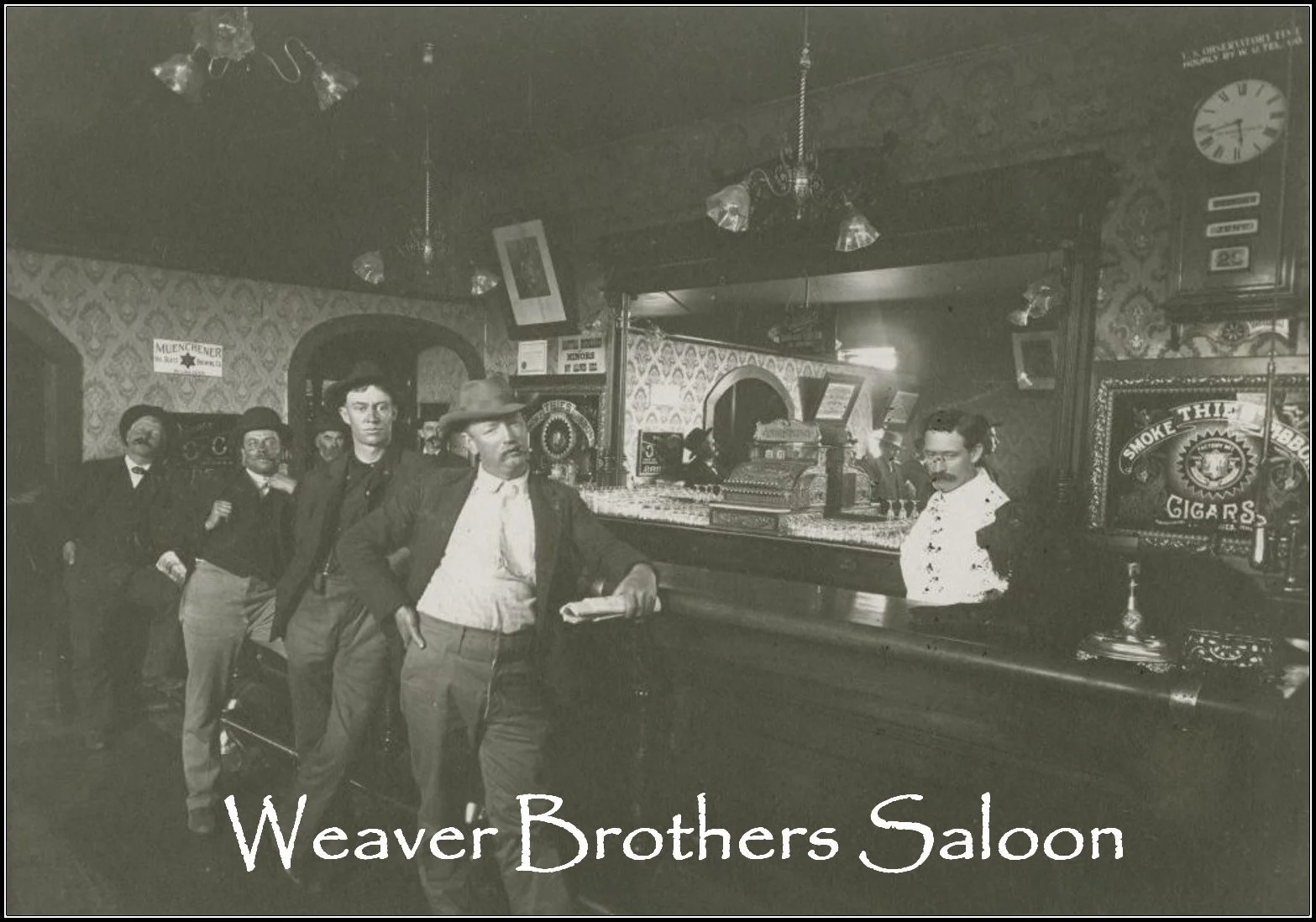
There was no business more important than the local saloons in this period. They served many purposes, including election halls and informal courthouses, places to file mining claims, and centers for other civic activity. However, one of their main functions was to serve as a refuge from the lonely lifestyle of mountain men living in isolated tents and log cabins. Whiskey was the primary drink sold, and the earliest saloons were often wagons or canvas tents. From these simple beginnings came more ornate establishments with diamond-dust mirrors and carved wooden bars. The Weaver Brothers saloon was one of many located at the corner of Lincoln and Main, and the Gold Pan Saloon that is the oldest continuously operating saloon in Colorado. These were just two examples of many rip-roaring establishments.
A mining boom from the 1870s to the 1880s turned the town into a bustling regional hub, beginning with early placer mining and later shifting primarily to hard-rock and underground mining. By the early 1880s, railroad connections reached nearby Summit County, greatly improving freight and passenger transport and strengthening the region’s mining economy. Goods and travelers were then transported into town from nearby rail depots by wagon along established mountain routes.
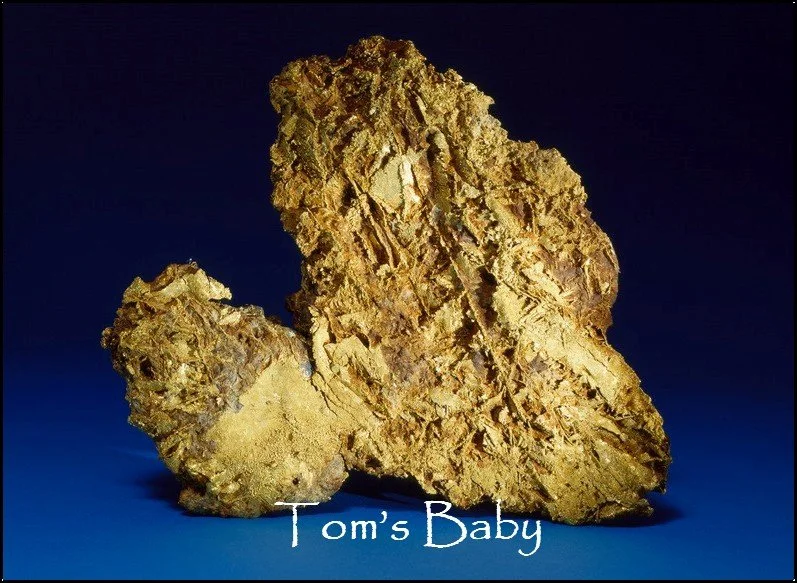
In 1887, miners in Colorado reportedly recovered a large gold nugget weighing over 13 pounds, which they called “Tom’s Baby.” It became part of local mining lore. While several significant gold specimens were found in the state during the late 19th century, exact details and records of many individual discoveries vary.
Fun Nuggets:
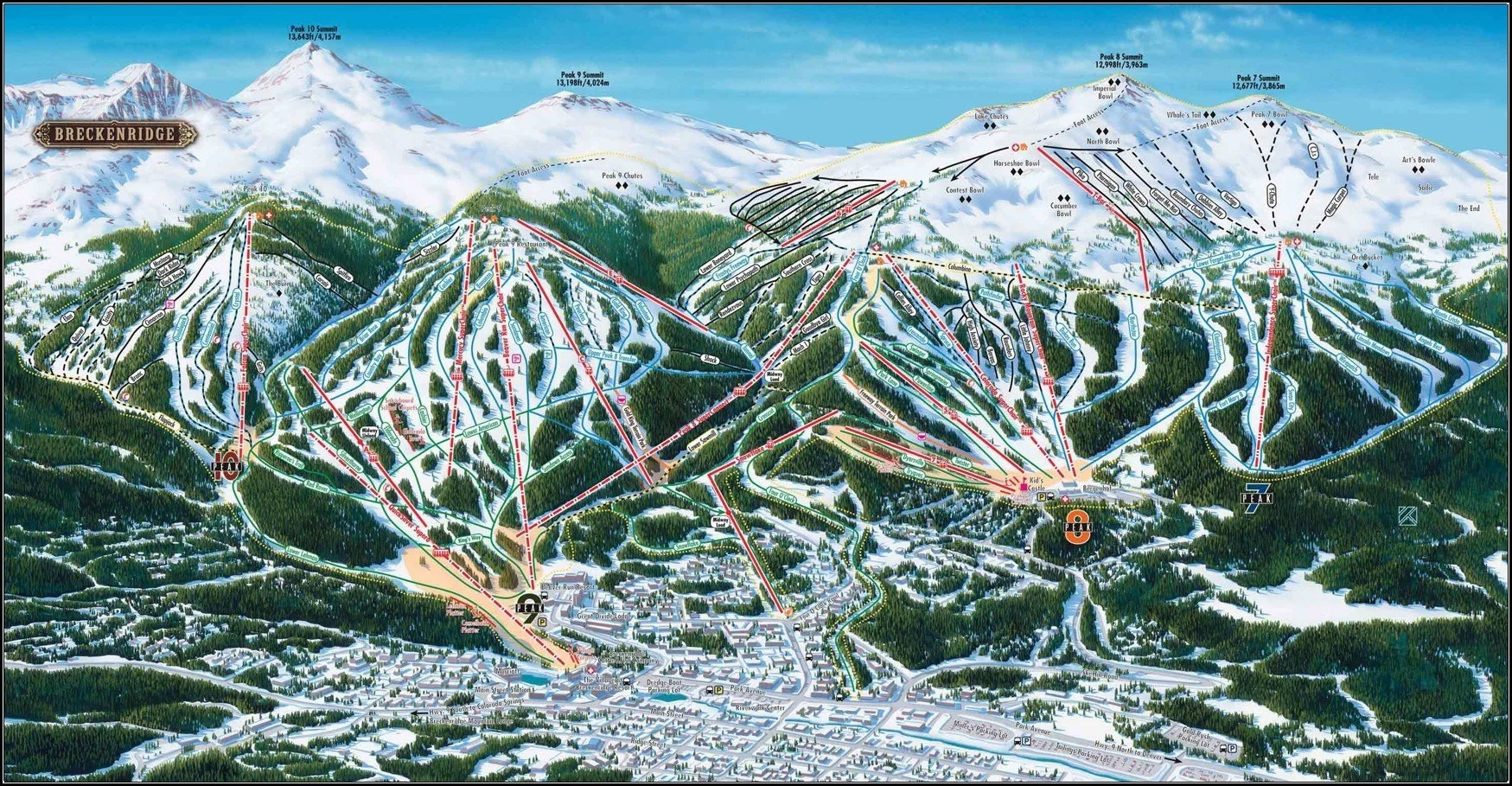
The post-mining era (1940s–1960) nearly turned Breckenridge into a ghost town. In 1961, a world-class ski area opened on Peak 8, revitalizing the economy and creating a new boom town centered on “white gold” (snow). It has since developed into a very active year-round resort town.
“Colorado’s Kingdom” was reportedly left off official U.S. government maps in the 1800s for decades and was sometimes described by locals as forgotten, lawless “No Man’s Land.” Today, the community celebrates its colorful past each summer during Kingdom Days. Another local tradition is a winter town-wide celebration honoring Ullr, the Norse god of snow, with residents dressing in Viking-inspired costumes.