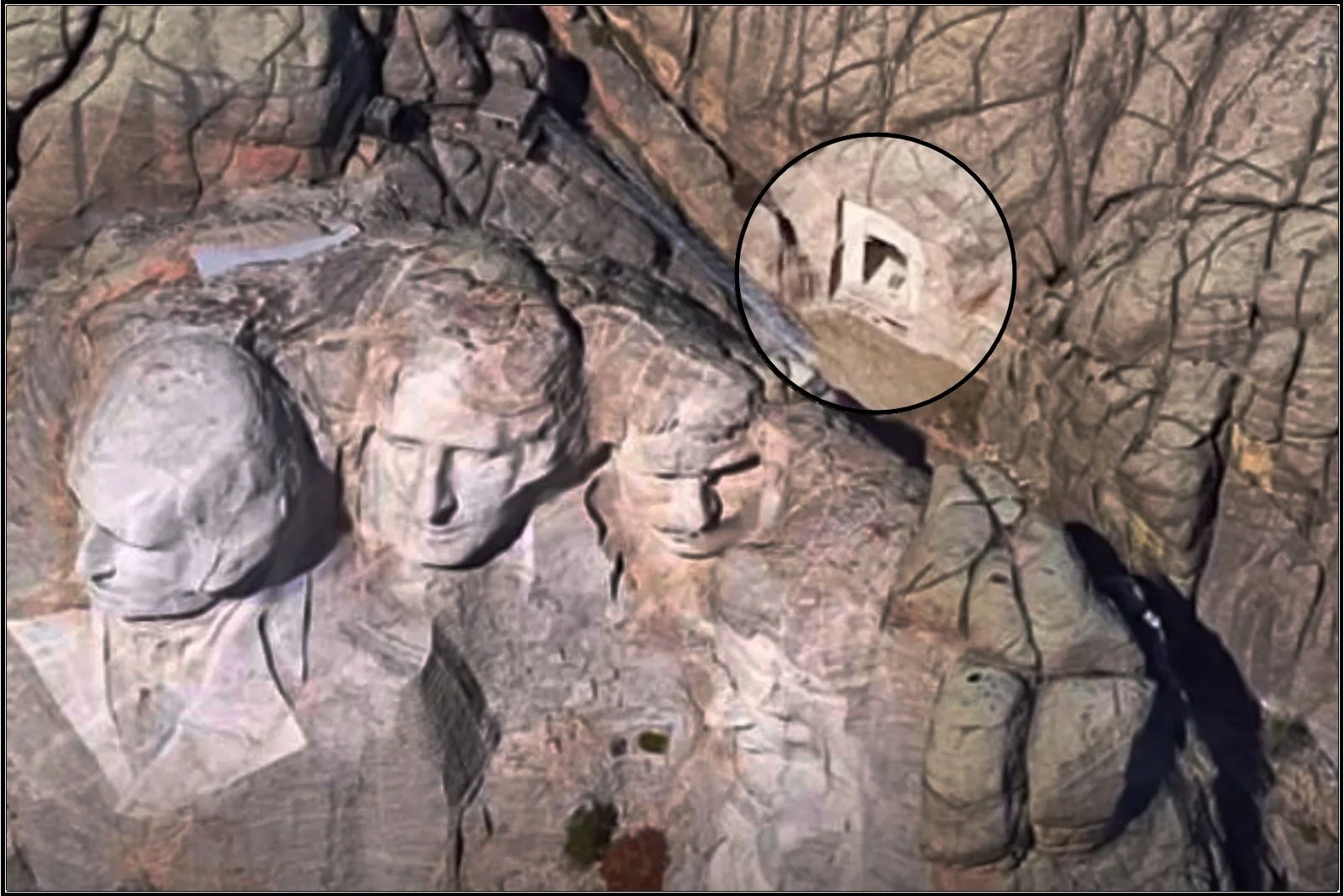
The original vision for this project was to carve figures of the American West, such as Lewis and Clark or Buffalo Bill. However, the granite of the Needles Highway area in South Dakota proved too unstable for large-scale carving. As a result, the project was relocated to what is now Mount Rushmore.
Project #18 - Mount Rushmore
The Black Hills had been used for centuries by the Plains Indigenous peoples. The Lakota people referred to the area as Six Grandfathers, a sacred site representing the six directions: north, south, east, west, the sky, and the earth.
The name was reportedly given somewhat casually during a visit in 1885, when New York attorney Charles E. Rushmore came to the Black Hills to inspect mining claims. According to popular accounts, he asked a local guide what the nearby mountain was called, and was told it had no official name. The guide is said to have jokingly referred to it as “Rushmore,” and the name eventually stuck.
Things changed when gold was discovered in the Black Hills, leading to an influx of miners and settlers and escalating tensions with the Great Sioux Nation. These conflicts contributed to the outbreak of the Great Sioux War of 1876. While the major fighting ended that same year, its consequences—including land loss, broken treaties, and ongoing legal and cultural disputes—continue to be felt by Indigenous communities today.
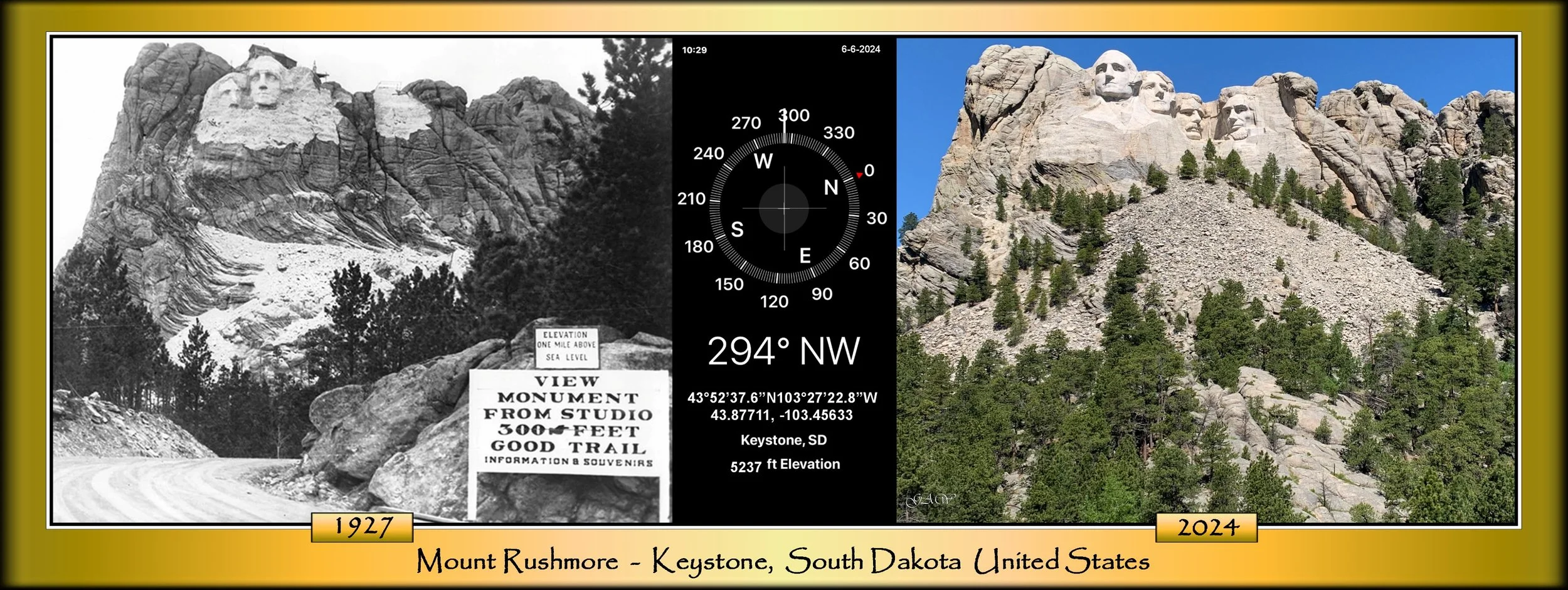
The monument was designed by sculptor Gutzon Borglum. Carving began in 1927 and was completed in 1941 with the help of a skilled team of workers, including his son Lincoln Borglum, who helped oversee the project after his father’s death.
This is one of those stories where historical interpretation can vary depending on perspective, but there is only one documented construction history. The official account of the Mount Rushmore project states that after selecting the site in the Black Hills, sculptor Gutzon Borglum and his team began carving in 1927. George Washington’s face was the first completed, followed by Thomas Jefferson. When issues with the rock were discovered on Jefferson’s section, workers used controlled blasting and re-carving techniques to remove unstable stone and reposition the work.
Version 2; was since the primary tool used was Dynamite to remove 90% of the rock, when working on Jefferson’s chin on one of these dynamite charges “maybe due to the reported crack” too much rock was removed, and it was decided to remove his whole face and relocate him to Washington’s left side.
Fun Nuggets:
Nevertheless, in either case, we greatly appreciate and admire the remarkable work done by these men.
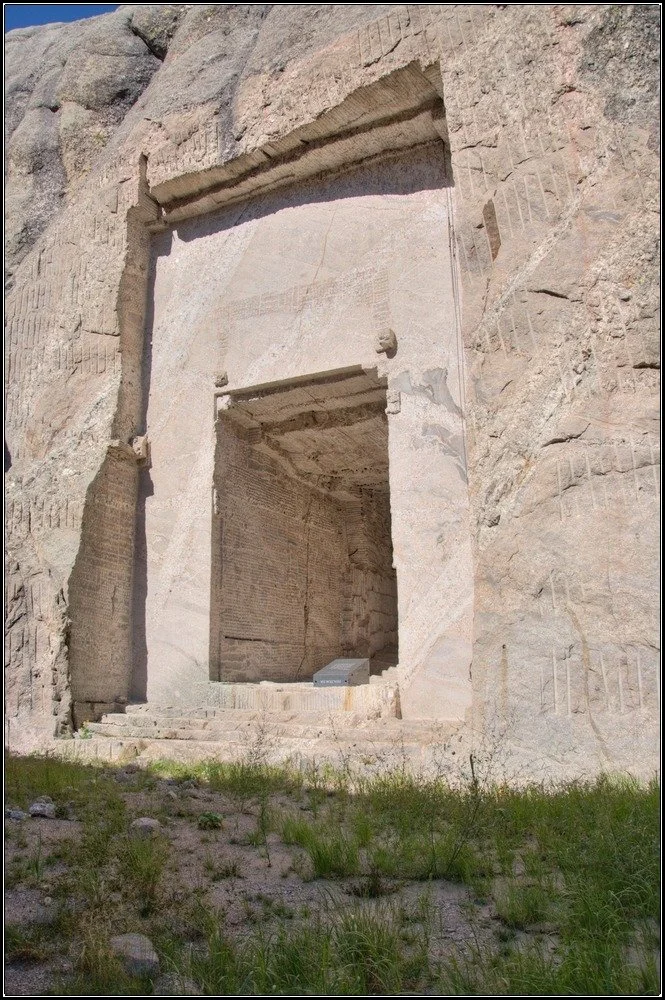
A “secret tunnel” was part of sculptor Gutzon Borglum’s original vision for the Mount Rushmore. He planned to create a large hall behind the heads—particularly near Abraham Lincoln’s—to hold important American documents such as the Declaration of Independence and the Constitution. This full chamber was never completed. However, a 70-foot-deep tunnel was carved into the granite. In 1998, it was converted into the Hall of Records concept and sealed, containing porcelain enamel panels that describe key events in American history and Borglum’s vision for the monument.