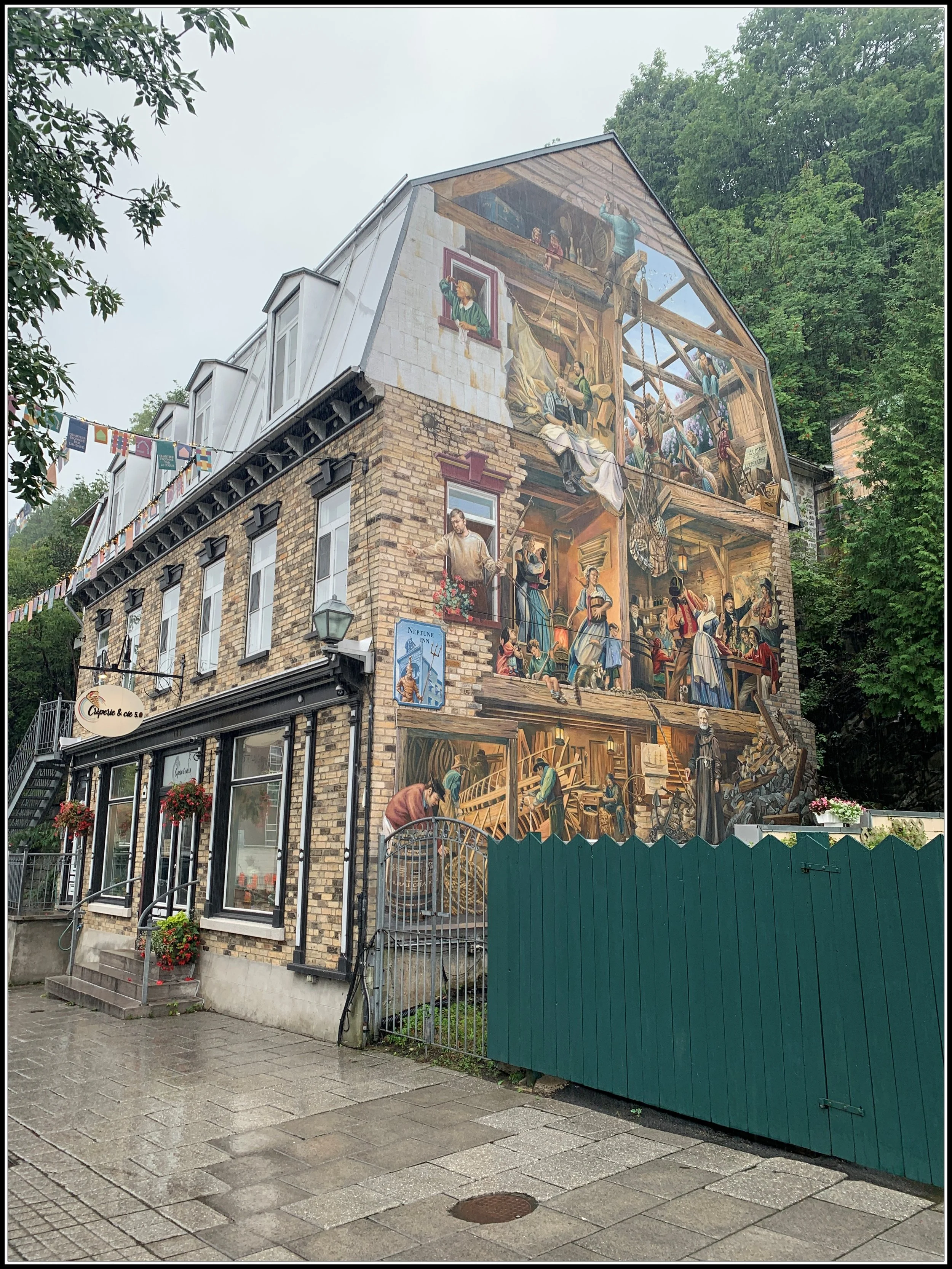
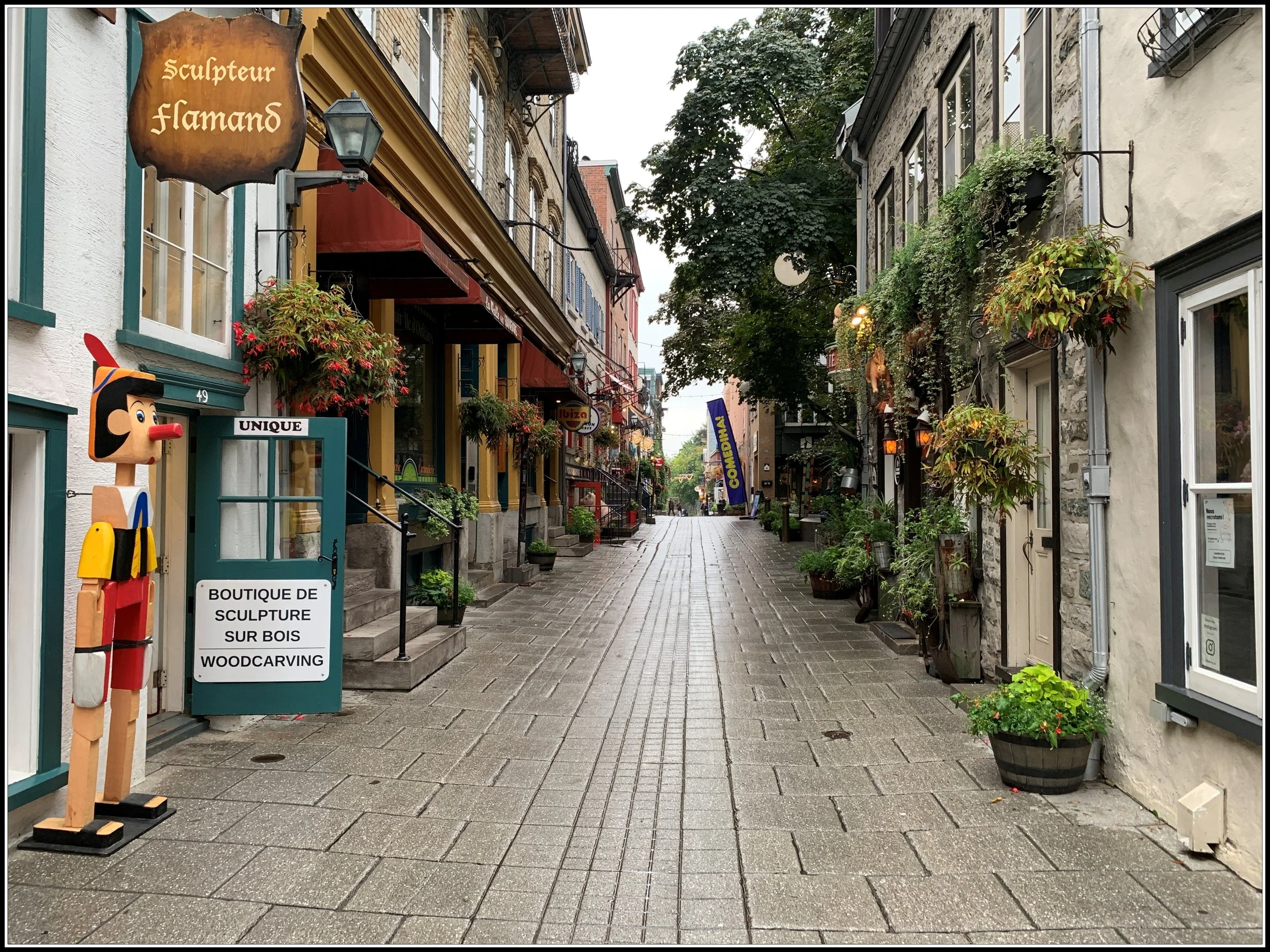
Project #22 - Champlain Sreet
Rue du Petit-Champlain is a historic street in the heart of old Quebec, claimed to be the oldest commercial district in North America. A must see if you’re in old Quebec, packed with colorful boutiques, art galleries and bistros in 17th-century buildings.
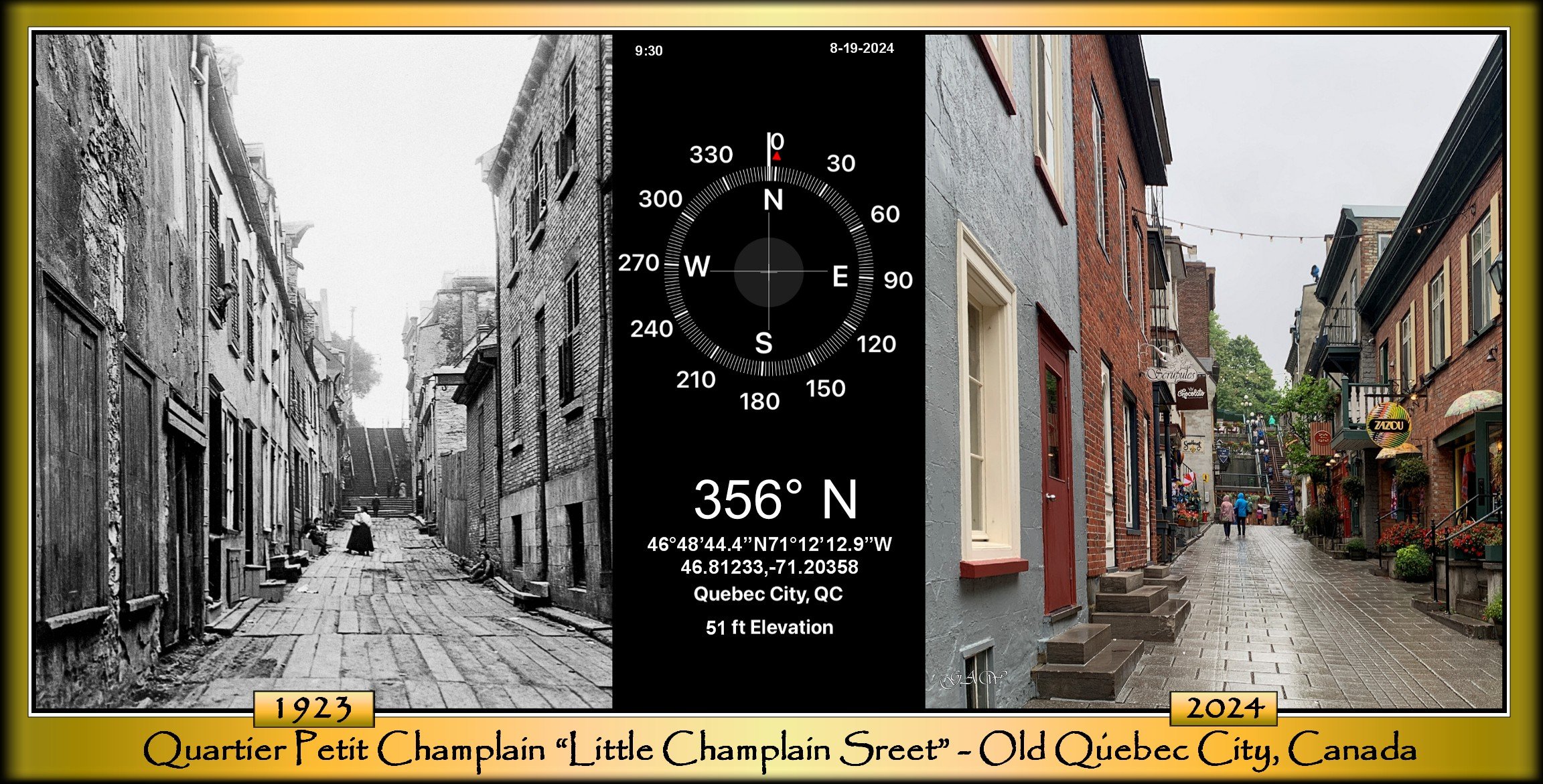
In the early 1600s, Samuel de Champlain established the first permanent French settlement nearby, laying the foundations for what would become Québec City. The area that is now Rue du Petit-Champlain originally developed as a narrow footpath by the late 17th century. Most of the surviving historic buildings in the area date from the 18th century, particularly between roughly 1725 and 1760. The street sits at the base of Cap Diamant, a prominent cliff approximately 102 meters high overlooking the St. Lawrence River.
There have been two main ways to reach the Upper Town from the Lower Town in Québec City. One is the Escalier Casse-Cou (Breakneck Stairs), a steep outdoor staircase in Old Québec that dates back to the 19th century and contains roughly 59 steps in its current form. The other is the Funiculaire du Vieux-Québec, originally opened in 1879, which provides a short, steep ride between the Lower Town and the Upper Town near the Château Frontenac.
Fires were common in early settlements of Québec City, and after several major fires in the early 18th century, authorities introduced regulations requiring more fire-resistant construction. In 1727, a major ordinance known as the “Stone Ordinance” mandated the use of stone or masonry for rebuilding in certain areas of the city, helping reduce the risk of future urban fires.
In the 19th century, waves of immigrants settled in the area, and it developed into a busy working-class neighborhood, closely tied to nearby maritime trade and shipyard activity.
Fun Nuggets:
After a period of severe decline, the area faced significant redevelopment pressure, and portions were considered for demolition and more utilitarian uses, including parking. In response, preservation efforts emerged, and local initiatives helped purchase and restore derelict buildings, reviving the neighborhood and emphasizing its historic European character.
Today the street is celebrated for its Strictly local, artisan-first focus, actively restricting multinational companies from operating here, their point of view is to keep its authentic storybook charm.