The capture of this railway bridge in Remagen Germany by the U.S. forces was a pivotal point in WW2, giving the Allied forces a foothold into the Nazi heartland, highly limiting Hitlers troop and supply movements.
Project #23 - Ludendorff Bridge
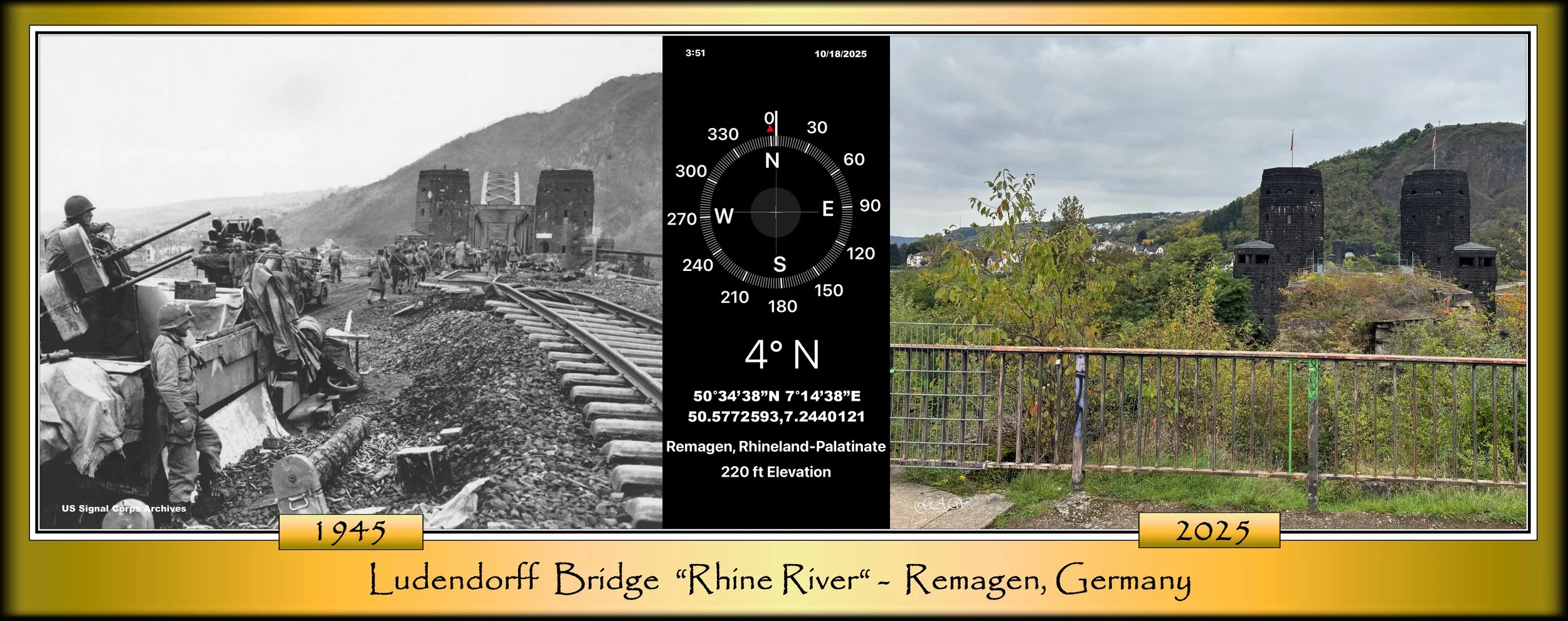
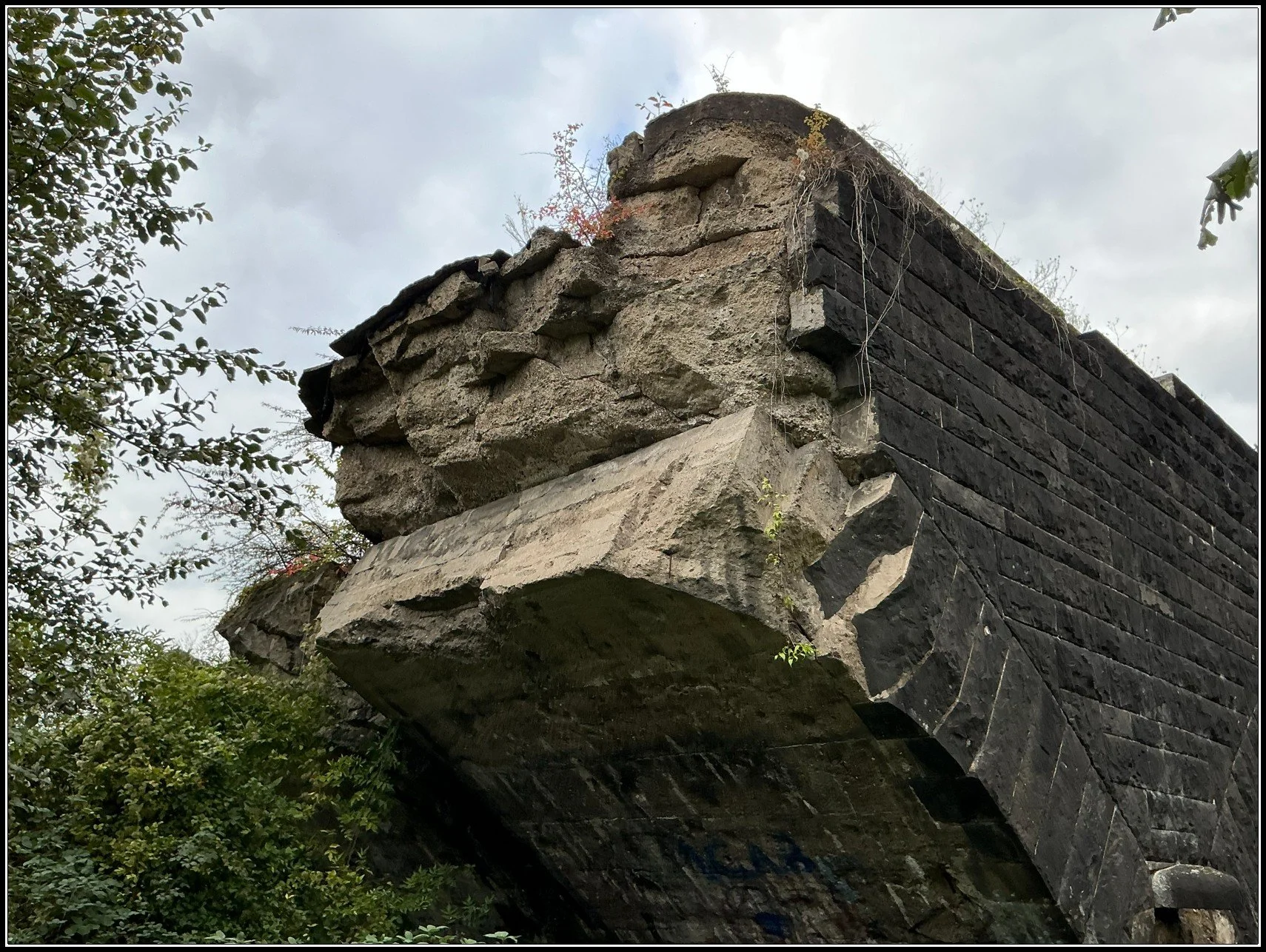
This was one of those photographs that could not be replicated from the exact original location because the railway behind the camera position was destroyed during World War II. I was able to get as close as possible to the original vantage point, but the scene has changed considerably since then.
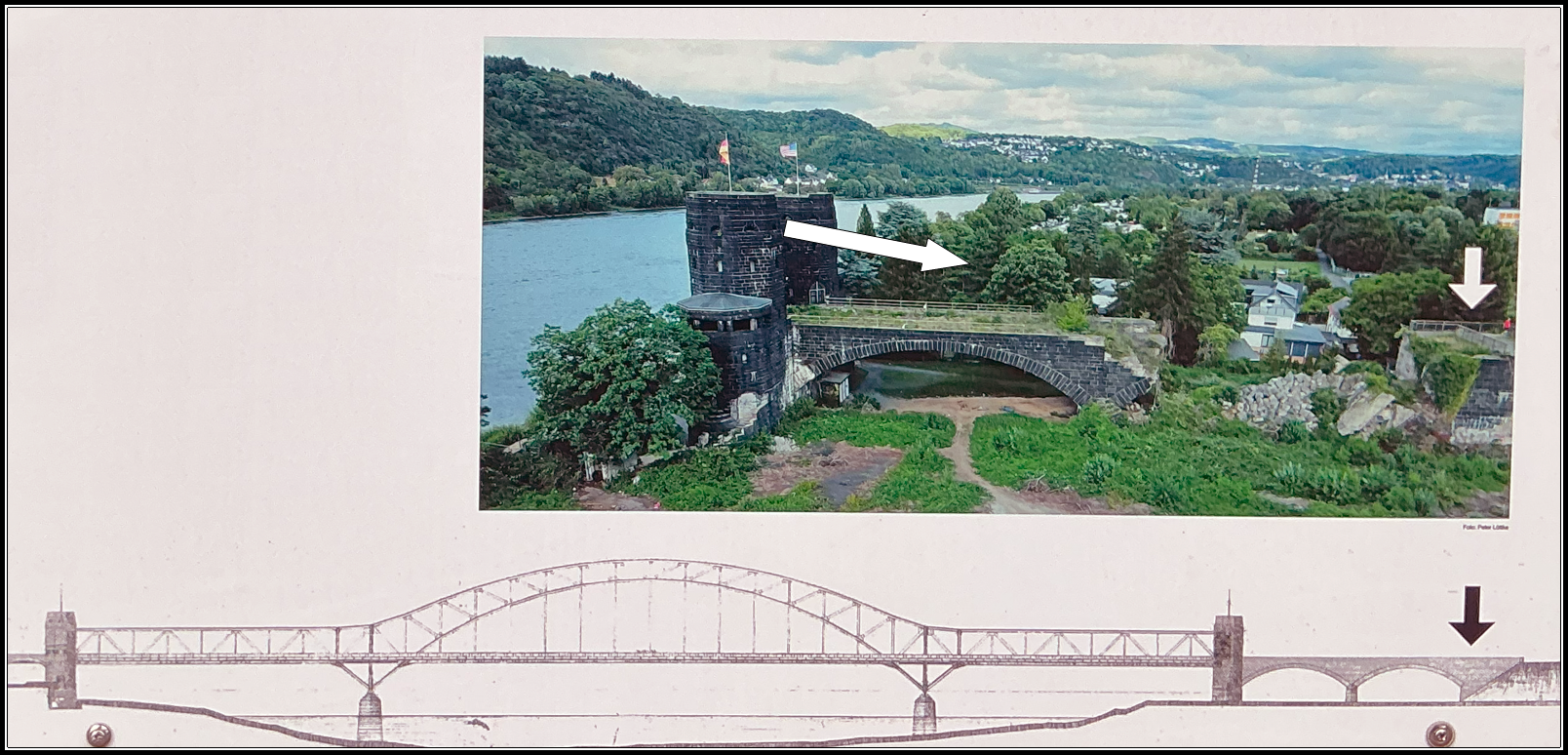
The railway bridge was constructed between 1916 and 1918 during World War I, with much of the labor provided by prisoners of war, including Russian captives. Officially known as the Ludendorff Bridge, it was built to move German troops and military supplies across the Rhine River to support Germany's war effort on the Western Front.
By March 1945, Allied forces were advancing rapidly into Germany, prompting German troops to retreat and attempt to destroy the bridge with explosives in order to slow the Allied advance. Despite their efforts, the demolition charges failed to bring down the structure, leaving the bridge damaged but still standing.
On March 7, 1945, troops of the U.S. 9th Armored Division arrived at Remagen expecting that the Germans had already destroyed the Ludendorff Bridge, requiring the Allies to construct a temporary crossing. Instead, they were astonished to find the bridge still standing. German demolition charges had failed to bring down the structure, causing damage to portions of the superstructure but leaving the bridge intact. Although unstable, it remained passable, allowing U.S. infantry to cross the Rhine River and establish a bridgehead on the eastern bank. Engineers quickly secured and reinforced the bridge, enabling additional troops, vehicles, and eventually tanks to cross in support of the Allied advance into Germany.
The unexpected capture of the bridge allowed the Allies to establish a vital foothold on the eastern bank of the Rhine River. Over the following days, thousands of troops, vehicles, and supplies crossed the river, enabling the Allies to expand the Remagen bridgehead and deploy forces deep into Germany.
For the next ten days, German forces launched relentless attacks in an effort to destroy the bridge and eliminate the Allied bridgehead. The structure endured repeated aerial bombardments, artillery fire, and even attacks using floating mines sent down the Rhine River. Despite these efforts, the bridge remained in service long enough for thousands of Allied troops and large quantities of equipment to cross. On March 17, 1945, the cumulative damage and structural stress finally caused the bridge to collapse into the Rhine River.
Fun Nuggets:
Infuriated by the American capture of the Ludendorff Bridge at Remagen, Hitler convened a special summary court-martial. Five officers were sentenced to death for failing to destroy the bridge; four were executed immediately, while a fifth escaped execution because he was already an American prisoner of war. One engineer officer was acquitted.
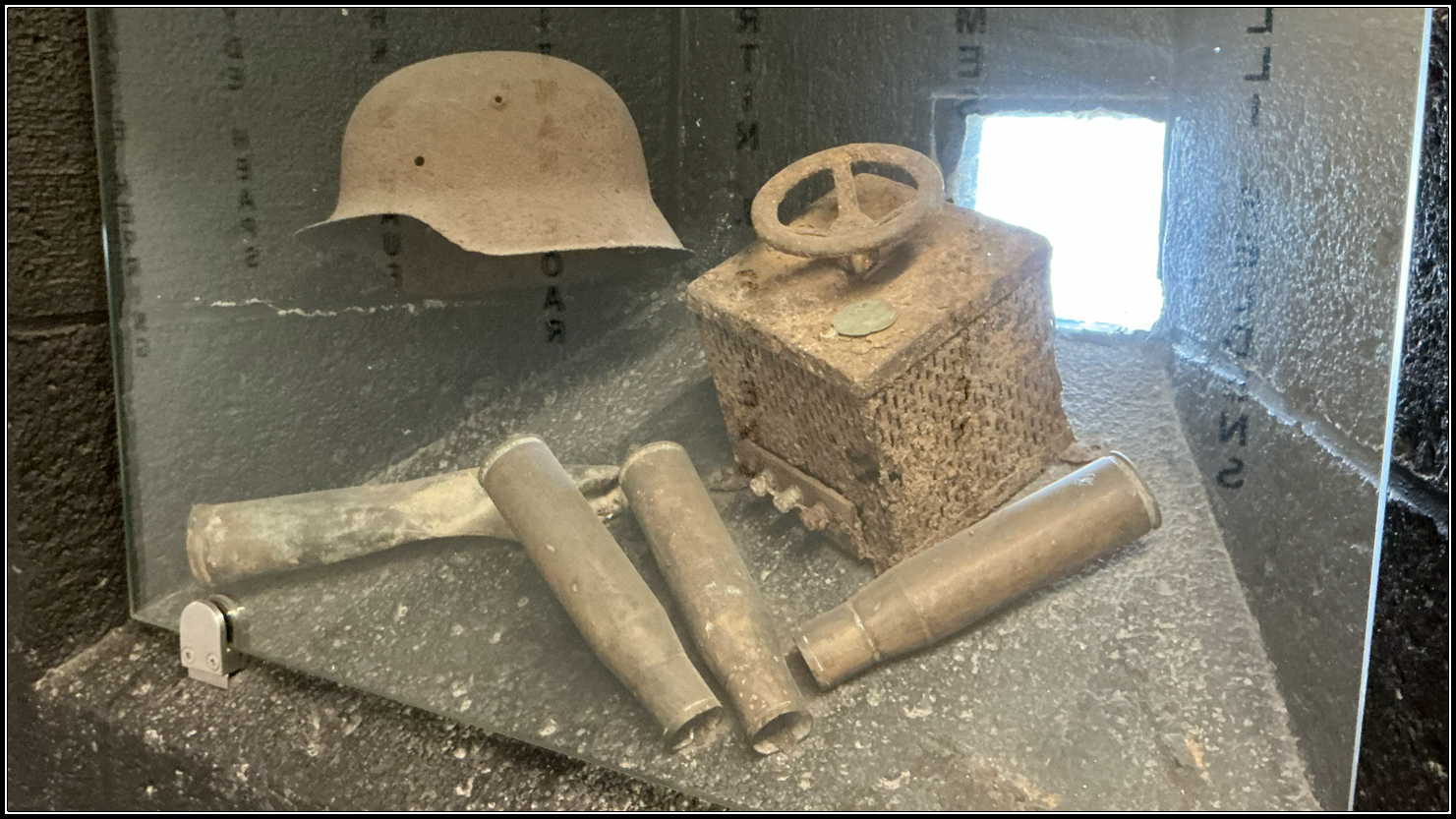
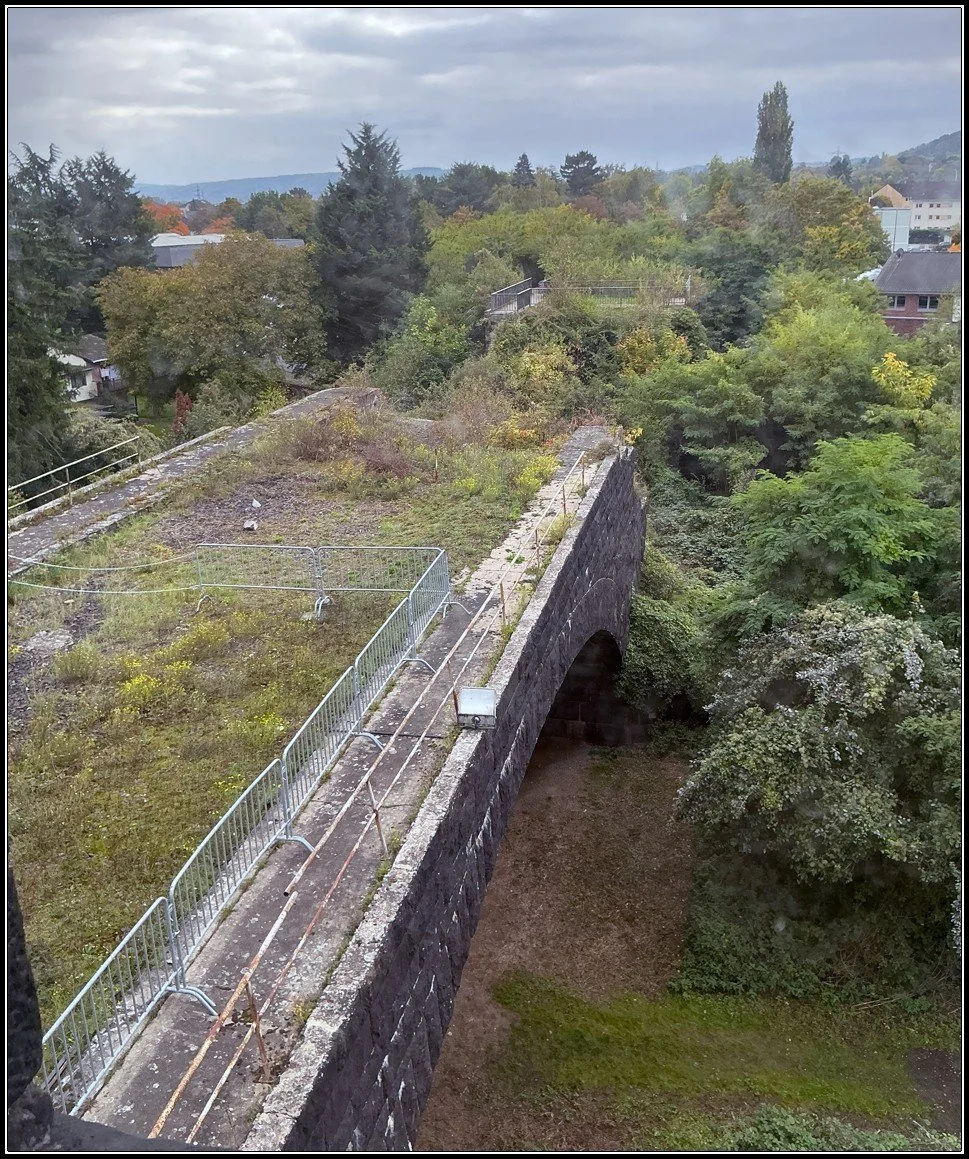
Today the remnants of the western towers serve as the Peace Museum at Remagen, open to the public with a great display of the history of the battle and surrounding battlefield.