Project #7 - Caja del Agua '“Water Box”
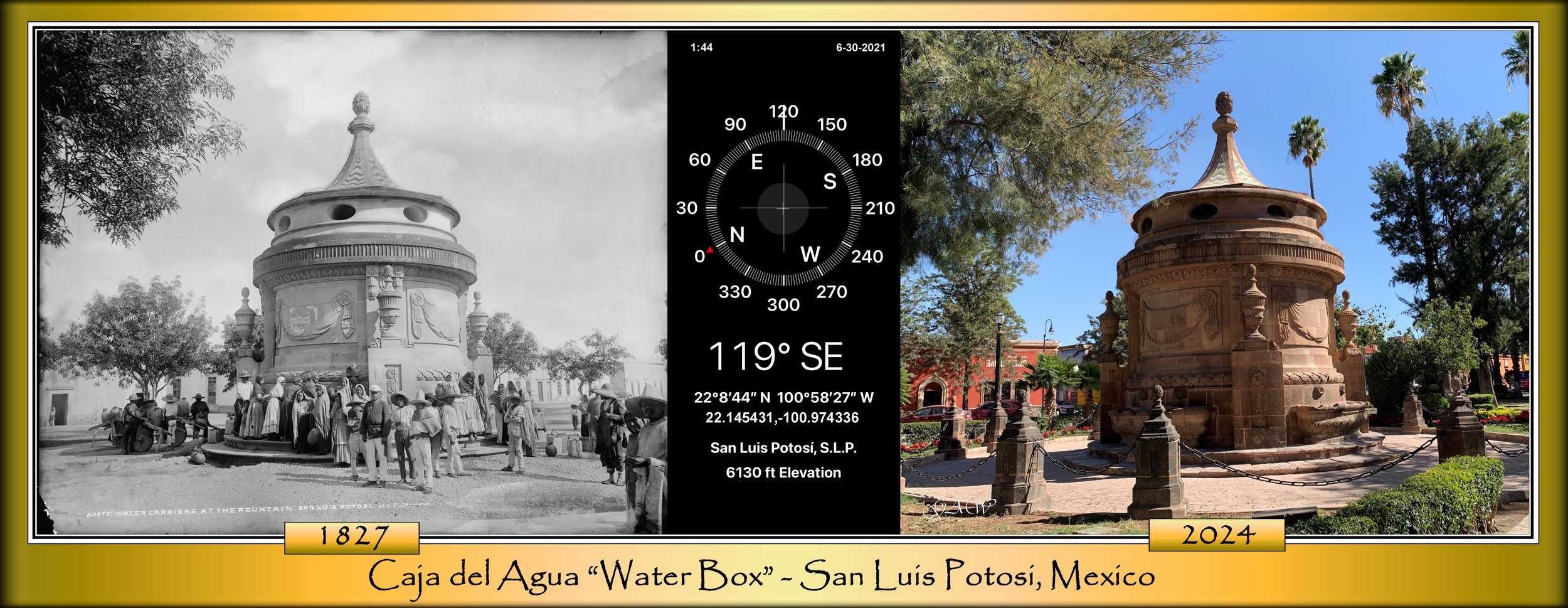
Potosí was founded on November 3, 1592. It became a major silver- and gold-mining center from the late 16th through the 19th centuries and was connected to the Camino Real de Tierra Adentro, one of the most important trade routes in New Spain. The Caja de Agua is a large water tank constructed of pink quarry stone and is situated above an underground aqueduct.
The city was named for Saint Louis IX of France and for the famed mining city of Potosí in present-day Bolivia. Early settlers believed the region's mineral wealth might rival that of its South American namesake.
The project originated with a design attributed to Francisco Eduardo Tresguerras. The final plans were completed by José Guerrero Solachi, and construction was carried out under the direction of Juan N. Sanabria.
Two replicas of the monument were created as gifts. The first was installed in San Ángel, Mexico City, in 1970. The second was presented to Pico Rivera, California, in 2012 to commemorate the 45th anniversary of the sister-city partnership between Pico Rivera and San Luis Potosí.
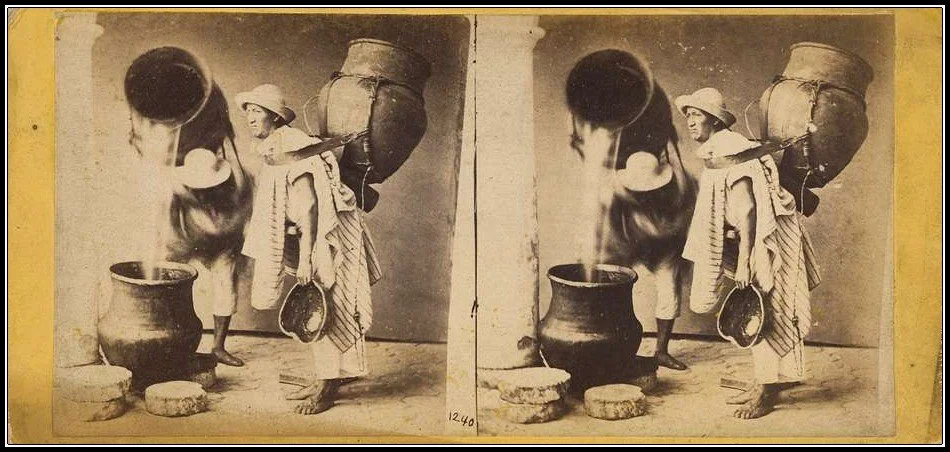
The water carriers, known locally as El Aguador (“the Water Carrier”) or simply “water bearers,” played an important role in daily life. Nicknamed “turtles” for the large clay water jars they carried on their backs, they delivered and sold water to families throughout the city and surrounding communities.
The Caja de Agua (“Water Box”) was constructed between 1827 and 1833 above one of the principal aqueducts supplying water from the Cañada del Lobo spring. Serving as a public water distribution tank, it became a vital part of San Luis Potosí’s water system. In 2010, it was included in the UNESCO World Heritage designation of the Camino Real de Tierra Adentro.
Fun Nuggets: