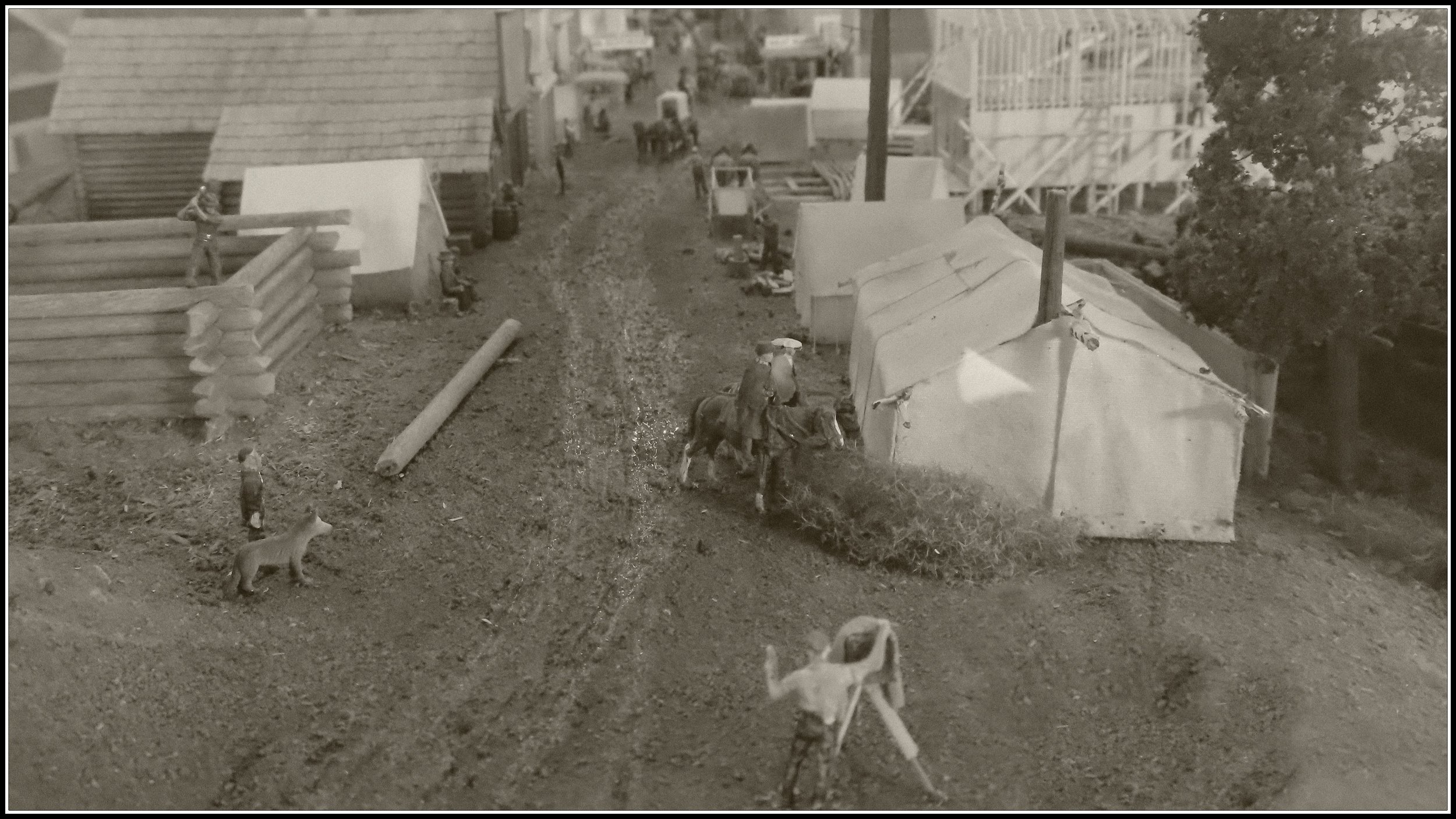
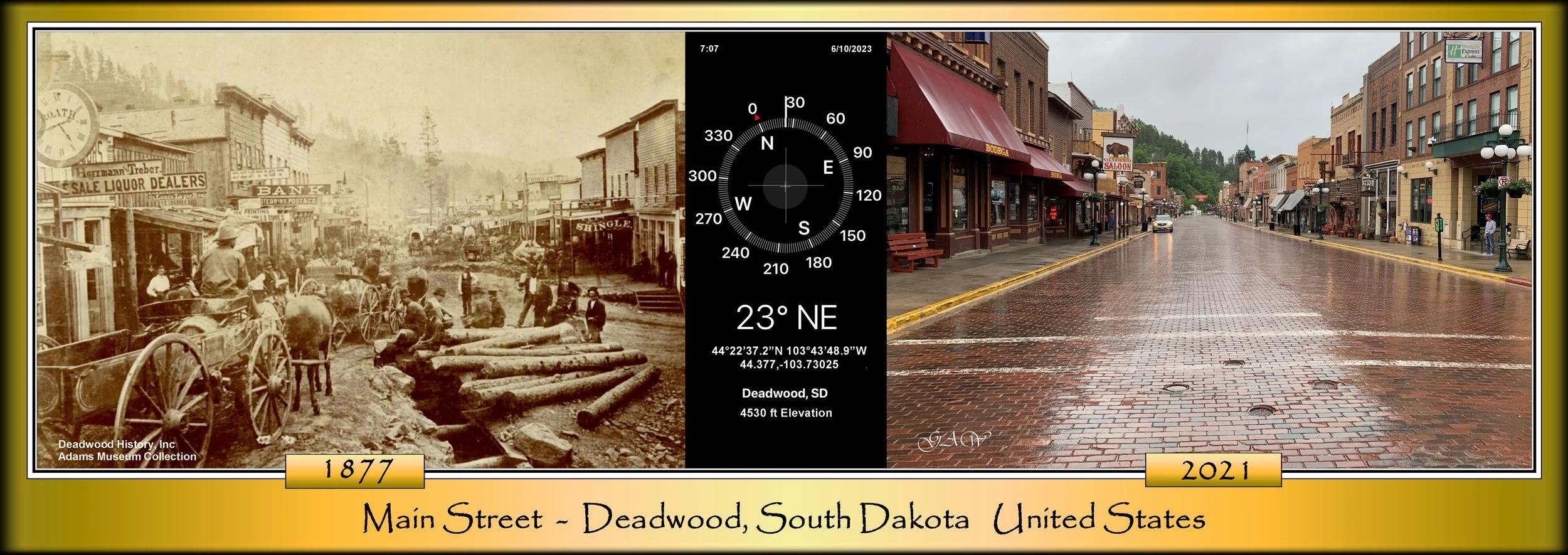
In the 1870s, the gulch that early settlers discovered was filled with dead, fallen timber, and the name “Deadwood” stuck. In the early years, from 1874 to 1879, the discovery of gold led to the Black Hills Gold Rush, when the area was part of the Dakota Territory. South Dakota was not granted statehood until 1889.
Project #5 - Main Street
Dakota was not yet a state. The Fort Laramie Treaty of 1868 guaranteed control of the territory to the Lakota people. However, the treaty recognized control over the land, not ownership.
Everything changed when George Armstrong Custer led an expedition into the Black Hills in 1874 and discovered gold. This marked the beginning of the Black Hills Gold Rush. Deadwood was established in 1876, followed by the influx of miners into Sioux territory. The settlement of the Black Hills occurred in violation of the Fort Laramie Treaty of 1868 with the Sioux Nation and was a highly contested breach of their sovereignty.
In its early years, Deadwood was a rough mining camp where murders were common. It was also home to numerous gamblers, gunmen, and prostitutes, including Wild Bill Hickok, a former sheriff in Kansas who had been earning a living as a gambler after leaving Abilene. He moved to Deadwood and had not been in town long when he was shot in the back of the head while playing cards in the No. 10 Saloon on August 2, 1876. He was holding aces and eights in his hand, now known as the “dead man’s hand.”
1876 was a difficult year for the new town. A smallpox epidemic swept through, and temporary tents known as a “pest house” were set up to quarantine the sick. Mass graves were dug in unmarked locations, rather than in the Ingleside graveyard, due to fear of contagion.
Fun Nuggets:
Ultimately, the Treaty of 1877 with the Sioux was ratified, allowing the United States to formally claim the Black Hills. The Sioux Nation has strongly contested this ratification to this day.
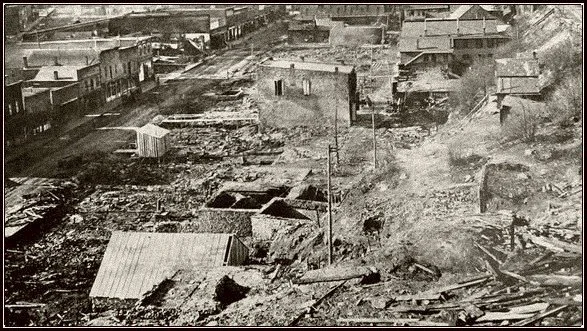
Fires were common in the early years since most buildings were made of wood. The devastating fire of 1879 led to the construction of more modern brick buildings. You can still see several original brick buildings today.